Wiring a Brooklyn House: New Mini Split, Induction Range & EV Charger
Transitioning a Brooklyn home from gas to electric systems requires careful planning and execution. Prioritizing envelope improvements, understanding Manual J calculations, and optimizing equipment efficiency are essential steps to ensure effective electrification while maximizing rebates and energy savings.
Understanding Envelope Performance and Manual J Calculations
Before diving into the electrification process, it’s crucial to assess the home’s envelope performance. The envelope includes walls, roofs, windows, and doors, all of which significantly affect heating and cooling loads. A well-sealed envelope minimizes air leakage, which can account for up to 30% of energy loss in homes. Conducting a blower door test can help identify leaks, allowing for targeted air sealing measures. This step is essential before sizing new HVAC equipment, as Manual J calculations rely on accurate load data.
Manual J calculations determine the heating and cooling requirements of your home based on factors such as square footage, insulation levels, window orientation, and local climate. For example, a 1,500-square-foot home in Brooklyn may require approximately 30,000 BTUs for heating and 24,000 BTUs for cooling, depending on its insulation and air tightness. By ensuring the envelope is tight, you can reduce these BTU requirements, allowing for smaller, more efficient HVAC systems.
Sequence of Retrofits: Seal Before Sizing
The sequence of retrofits is critical for achieving optimal performance and efficiency. Begin with air sealing and insulation improvements before installing new HVAC equipment. This approach ensures that the new systems are appropriately sized for the reduced load, preventing oversizing, which can lead to short-cycling and increased energy costs. For instance, if a home originally required 30,000 BTUs for heating but is improved to a level where only 20,000 BTUs are needed, installing a system designed for the lower load can enhance efficiency and comfort.
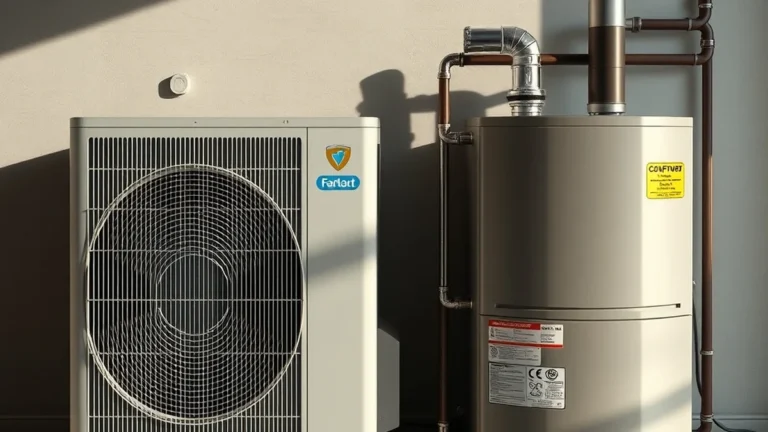
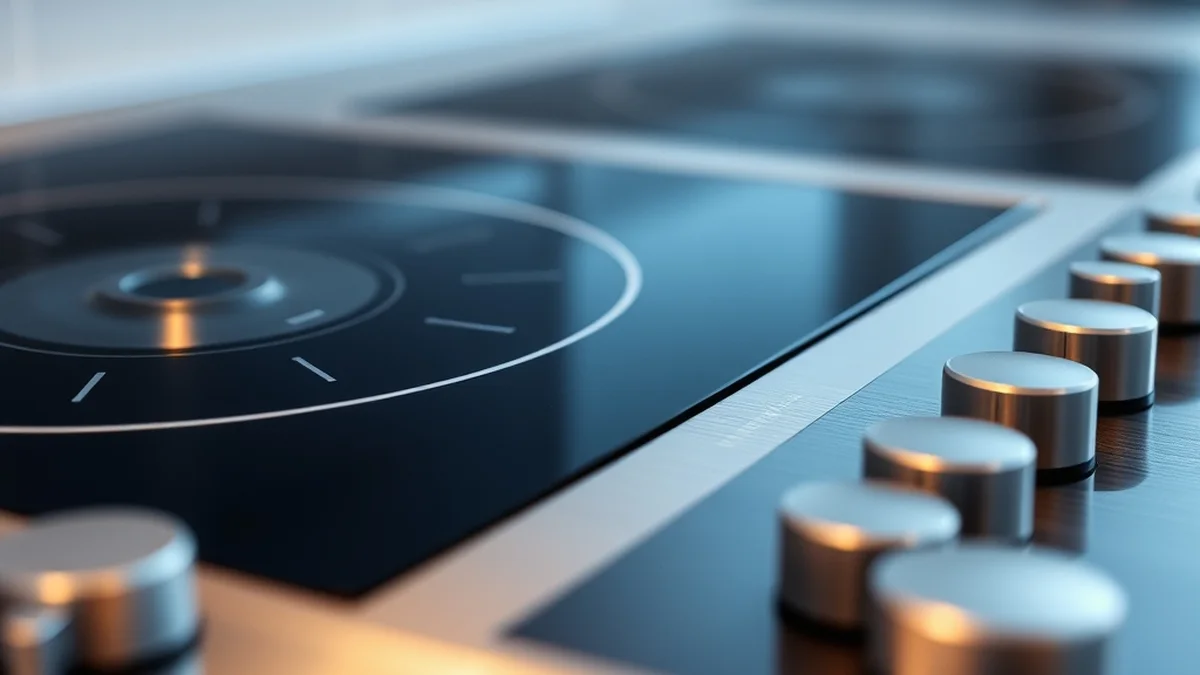
After sealing and insulating, consider upgrading to electric systems such as mini-split heat pumps and induction ranges. These systems not only provide efficient heating and cooking solutions but also align with local and federal electrification incentives. A well-planned retrofit sequence can lead to significant energy savings and a smoother transition to an all-electric home.
Evaluating Equipment Efficiency and Available Rebates
| Equipment Type | Efficiency Rating (SEER/HSPF) | Approx. Cost | Rebate Potential |
|---|---|---|---|
| Mini-Split Heat Pump | 20 SEER / 10 HSPF | $3,500 | $1,000 |
| Induction Range | N/A | $2,000 | $200 |
| EV Charger | N/A | $600 | $300 |
When selecting new equipment, prioritize high-efficiency models that qualify for rebates. For example, a mini-split heat pump with a SEER rating of 20 can significantly reduce energy consumption compared to traditional systems. In New York, homeowners can benefit from state and federal rebates that can offset installation costs, making the transition more financially feasible. The New York State Energy Research and Development Authority (NYSERDA) offers incentives for heat pumps, induction ranges, and EV chargers, which can collectively amount to substantial savings.
Avoiding Oversizing and Short-Cycling Issues
Oversizing HVAC systems can lead to short-cycling, where the system turns on and off frequently, causing increased wear and tear, reduced efficiency, and uncomfortable temperature swings. Proper sizing based on Manual J calculations and envelope performance is essential to avoid these pitfalls.
Short-cycling not only wastes energy but can also lead to higher maintenance costs and a shorter lifespan for your equipment. For instance, a mini-split heat pump that is oversized for a home will reach the desired temperature too quickly, shutting off before effectively dehumidifying the air. This can leave the space feeling clammy and uncomfortable. To prevent these issues, always ensure that your new systems are sized correctly after completing envelope improvements.
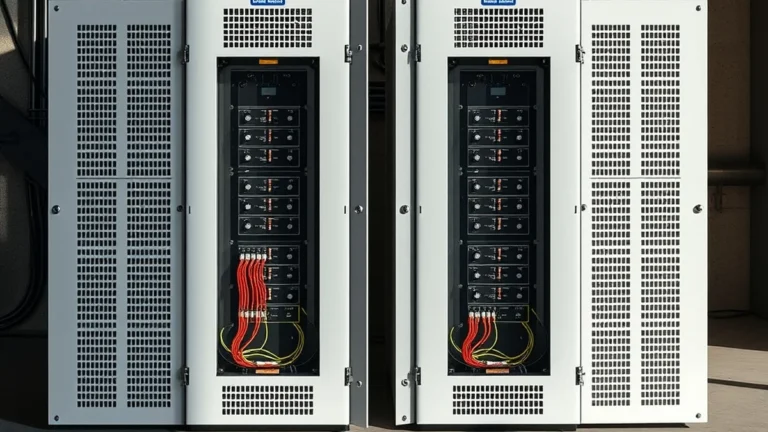
Additionally, consider the electrical panel’s capacity when upgrading to electric systems. Many older homes may require panel upgrades to handle the increased load from new HVAC systems, induction ranges, and EV chargers. Consulting with a qualified electrician can help assess your current panel and determine if an upgrade is necessary.
Related Crimson Lab Briefings: Explore deeper benchmarks in Dual-Fuel Heat Pump vs. Gas Furnace: Economic Crossover Temperature Insights and Smart Thermostat C-Wire Power Stealing Issues in Single-Stage Boilers.
Contractor Quotes and IRS Certification Checklist
When planning your electrification project, obtaining multiple contractor quotes is essential. Ensure that each quote includes a detailed breakdown of labor, materials, and any potential rebates. This transparency will help you make informed decisions and avoid unexpected costs. Look for contractors who are experienced in home electrification and are familiar with local building codes and rebate programs.
As part of the electrification process, ensure that all installed equipment meets the IRS certification requirements for energy efficiency. This includes maintaining proper documentation of equipment specifications, installation dates, and any applicable rebates. Homeowners can claim tax credits for qualified energy-efficient upgrades, which can further offset costs. For example, the federal tax credit for heat pumps can be up to 30% of the installed cost, subject to certain limits.
To streamline the process, create a checklist that includes the following items: contractor quotes, equipment specifications, installation dates, and rebate applications. Keeping organized records will facilitate a smoother experience when applying for rebates and tax credits.
Prioritizing envelope air sealing alongside Manual J equipment sizing maximizes home electrification comfort and ROI.