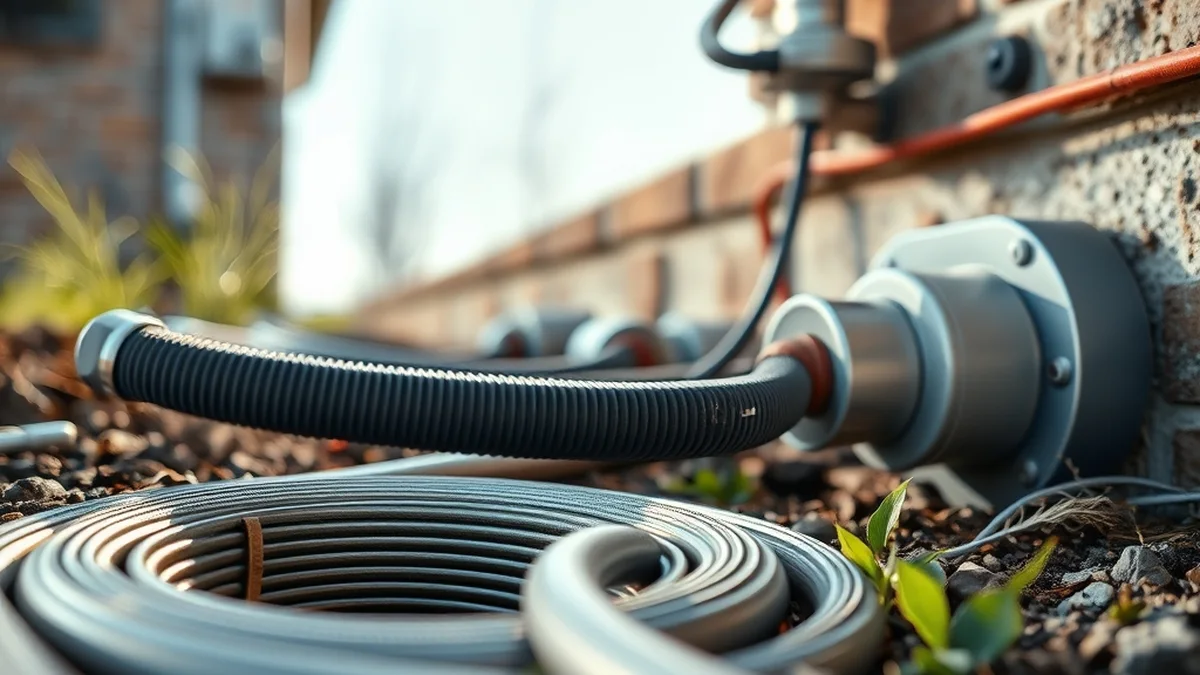
Geothermal HVAC Systems: The Future of Home Cooling Solutions
Geothermal HVAC systems present a sustainable solution for home cooling, leveraging the earth’s stable temperature to enhance efficiency. To maximize this technology’s benefits, understanding BTU/CFM sizing, ensuring proper envelope prerequisites, and navigating IRS credits is essential for homeowners considering retrofitting their systems.
Understanding Envelope & Manual J Physics
Before installing a geothermal HVAC system, it’s crucial to assess the building envelope and perform a Manual J load calculation. The building envelope includes walls, roofs, windows, and doors, which collectively influence heat transfer. A well-insulated envelope minimizes energy loss, allowing geothermal systems to operate efficiently. Manual J calculations determine the heating and cooling loads based on factors like square footage, insulation levels, and local climate conditions. For example, a 2,000-square-foot home in a temperate climate may require approximately 24,000 BTUs for cooling, translating to about 1,000 CFM of airflow.
Homeowners should prioritize air sealing and insulation upgrades before sizing their geothermal system. A typical energy audit reveals that air leaks can account for up to 30% of heating and cooling costs. By sealing gaps and improving insulation, homeowners can reduce the required BTUs, leading to a smaller, more efficient geothermal unit. For instance, if sealing reduces the load by 20%, the new requirement would be 19,200 BTUs, significantly impacting system selection and overall efficiency.
Sequence of Retrofits: Seal Before Sizing
The sequence of retrofitting is vital for achieving optimal performance from a geothermal HVAC system. Homeowners should first focus on sealing air leaks and enhancing insulation. Retrofitting the envelope before sizing the HVAC system ensures that the load calculations reflect the home’s true energy needs. This approach prevents oversizing, which can lead to short-cycling and increased operational costs. A well-sealed home allows the geothermal system to run efficiently, maximizing its lifespan and performance.
After sealing and insulating, homeowners can proceed with the Manual J calculations to determine the appropriate size of the geothermal unit. This sequence not only enhances comfort but also aligns with rebate eligibility requirements. Many utility companies offer incentives for homeowners who improve their home’s energy efficiency before installing new systems. For example, a homeowner who invests in insulation and air sealing may qualify for rebates that cover a portion of the geothermal system’s cost, further improving the return on investment.
Equipment Efficiency & Rebate Table
Geothermal systems are known for their high efficiency, often achieving a coefficient of performance (COP) of 4.0 or higher. This means that for every unit of electricity consumed, the system can produce four units of heating or cooling. To maximize efficiency, homeowners should consider the following equipment options:
| System Type | COP | Estimated Cost | Rebate Potential |
|---|---|---|---|
| Horizontal Loop | 4.2 | $20,000 | $3,000 |
| Vertical Loop | 4.5 | $25,000 | $4,000 |
| Pond Loop | 4.0 | $15,000 | $2,500 |
Homeowners should research local utility programs to identify available rebates and incentives. For instance, many states offer tax credits for renewable energy systems, including geothermal HVAC installations. The IRS currently provides a tax credit of 26% for qualified geothermal systems, which can significantly reduce the upfront investment. Understanding these financial incentives can make geothermal systems more accessible and attractive for homeowners.
Avoiding Oversizing: Short-Cycling & Panel Traps
Oversizing a geothermal HVAC system can lead to short-cycling, where the system frequently turns on and off, resulting in increased wear and tear. This inefficiency can also lead to uncomfortable temperature fluctuations and higher energy bills.
To avoid oversizing, adhere to Manual J calculations and consider the home’s specific characteristics. Short-cycling not only affects comfort but can also trap heat in certain areas, leading to uneven temperatures throughout the home. For example, if a geothermal system is oversized by 30%, it may cool the space too quickly, causing the thermostat to shut off before achieving optimal comfort levels. This can lead to a cycle of rapid cooling and heating, wasting energy and increasing costs.
Additionally, homeowners should ensure that their electrical panel can handle the load of the new geothermal system. An undersized panel may struggle to support the increased demand, leading to potential electrical issues. Consulting with a qualified contractor can help determine the necessary upgrades to the electrical system, ensuring that the geothermal unit operates efficiently and safely.
Related Crimson Lab Briefings: Explore deeper benchmarks in ACCA Manual J Heat-Load Audits: Prevent Oversized HVAC Short-Cycling and Ventless Heat Pump Clothes Dryers vs Vented Electric Units: Key Differences.
Contractor Quote & IRS Certification Checklist
When considering a geothermal HVAC installation, obtaining multiple quotes from qualified contractors is essential. A reputable contractor should provide a detailed proposal that includes system specifications, installation costs, and expected energy savings. Homeowners should also ask about the contractor’s experience with geothermal systems and request references from previous clients.
To qualify for IRS tax credits, homeowners must ensure that their geothermal system meets specific criteria. The system must be installed in a primary residence and must be certified by the manufacturer. Homeowners should keep all documentation, including receipts and the manufacturer’s certification, to support their tax credit claims. Below is a checklist to ensure compliance with IRS requirements:
- Confirm that the geothermal system is installed in a primary residence.
- Obtain a manufacturer’s certification for the system.
- Keep all receipts and documentation related to the installation.
- Consult a tax professional to ensure proper filing for the tax credit.
Prioritizing envelope air sealing alongside Manual J equipment sizing maximizes home electrification comfort and ROI.