
5 Key Factors to Select the Best HVAC System for EV Charging
Choosing the right HVAC system for your electric vehicle (EV) charging needs involves understanding the interplay between your home’s thermal envelope, the efficiency of HVAC equipment, and the potential for rebates. Proper sizing and installation can enhance energy efficiency, reduce costs, and ensure optimal performance.
Understanding Envelope & Manual J Physics
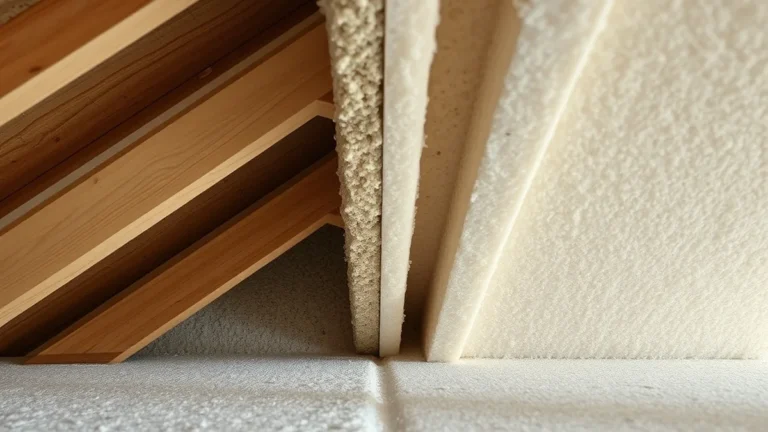
The thermal envelope of your home is critical when selecting an HVAC system, especially for accommodating EV charging. Manual J calculations, which determine heating and cooling loads, consider factors such as insulation, window orientation, and air leakage. For instance, a well-insulated home (R-value of 30 or higher in the attic) may require significantly less BTU output than a poorly insulated one. A typical 2,000 square-foot home in a moderate climate may need around 30,000 BTUs for heating and 24,000 BTUs for cooling, but these figures can vary widely based on envelope performance.
To effectively utilize your HVAC system for EV charging, you must first assess your home’s energy efficiency. A blower door test can help identify air leaks, which should be sealed before sizing your HVAC system. For example, sealing leaks can improve HVAC efficiency by up to 20%, directly impacting your overall energy consumption and costs. This is particularly important as EV chargers can add a significant load to your electrical system, potentially increasing the demand on your HVAC unit.
Sequence of Retrofits: Seal Before Sizing
When retrofitting your home to support an HVAC system that accommodates EV charging, the sequence of upgrades is paramount. First, prioritize air sealing to enhance the thermal envelope. This step can prevent unnecessary energy loss, ensuring that your HVAC system operates efficiently. For example, sealing gaps around windows and doors can reduce heating and cooling costs by 10-20%, which is crucial when considering the additional load from EV charging.
After sealing, conduct a Manual J load calculation to determine the correct size of your HVAC system. Oversizing can lead to short cycling, where the system turns on and off frequently, wasting energy and reducing comfort. For instance, if your calculated load is 30,000 BTUs but you install a 40,000 BTU unit, you may experience short cycling, leading to increased wear and tear on your system. Therefore, always seal your home before sizing your HVAC system to ensure optimal performance and efficiency.
Evaluating Equipment Efficiency & Rebate Opportunities
When selecting HVAC equipment, efficiency ratings such as SEER (Seasonal Energy Efficiency Ratio) for cooling and AFUE (Annual Fuel Utilization Efficiency) for heating should be carefully considered. Higher efficiency units may have a higher upfront cost but can lead to significant savings over time. For example, a unit with a SEER rating of 16 can save homeowners approximately $400 annually compared to a unit with a SEER of 13, particularly in areas with high cooling demands.
Many utility companies and government programs offer rebates for high-efficiency HVAC systems. Below is a comparison table of potential rebates based on efficiency ratings:
| Efficiency Rating | Rebate Amount | Estimated Annual Savings |
|---|---|---|
| SEER 13 | $200 | $100 |
| SEER 16 | $400 | $400 |
| SEER 20+ | $600 | $600 |
By investing in high-efficiency HVAC systems, homeowners can not only benefit from lower energy bills but also take advantage of these rebates, making the transition to electrification more financially viable.
Avoiding Oversizing: Short-Cycling & Panel Traps
Oversizing your HVAC system can lead to short-cycling, where the system frequently turns on and off, reducing its lifespan and efficiency. A properly sized unit should run for longer cycles, allowing for better humidity control and energy efficiency.
Short-cycling can also create panel traps, where air stagnates in certain areas of your home, leading to uneven temperatures and discomfort. For example, if your HVAC system is oversized by 20%, it may cycle on and off every 5-10 minutes instead of running for 20-30 minutes. This not only wastes energy but can also lead to increased humidity levels, particularly in cooling mode, which can be detrimental to your home’s comfort and indoor air quality.
To avoid these issues, ensure that your HVAC system is sized according to the Manual J calculations performed after sealing your home. This will help maintain consistent temperatures and improve energy efficiency, especially when charging your EV, which can increase your home’s overall energy demand.
Related Crimson Lab Briefings: Explore deeper benchmarks in Smart Circuit Load Management Subpanels: Save on Meter Service Costs and Ventless Heat Pump Clothes Dryers vs Vented Electric Units: Key Differences.
Contractor Quotes & IRS Certification Checklist
When selecting a contractor for your HVAC installation, obtaining multiple quotes is essential. Ensure that each quote includes detailed information about the equipment, installation process, and any warranties offered. A reputable contractor should also provide documentation of their qualifications and experience in electrification and HVAC systems. Look for certifications such as NATE (North American Technician Excellence) or RESNET (Residential Energy Services Network), which indicate a commitment to quality and energy efficiency.
Additionally, to qualify for IRS tax credits related to energy-efficient home improvements, ensure that your contractor provides the necessary certification. The IRS allows for a credit of up to 30% of the cost of qualified energy efficiency improvements, including HVAC systems. Here’s a checklist to ensure you meet the requirements:
- Obtain a copy of the manufacturer’s certification for your HVAC equipment.
- Ensure the equipment meets the minimum efficiency requirements set by the IRS.
- Keep all receipts and documentation related to the purchase and installation.
- Consult with a tax professional to ensure compliance with IRS guidelines.
Prioritizing envelope air sealing alongside Manual J equipment sizing maximizes home electrification comfort and ROI.