Top 5 Trends in Home Electrification to Watch by 2026
As we approach 2026, the future of home electrification hinges on improved building envelopes and efficient HVAC systems. Key trends include advanced insulation materials, smart load management, and increased rebate opportunities for homeowners investing in energy-efficient technologies. Understanding these elements will be crucial for maximizing comfort and financial incentives.
Understanding Envelope Performance and Manual J Calculations
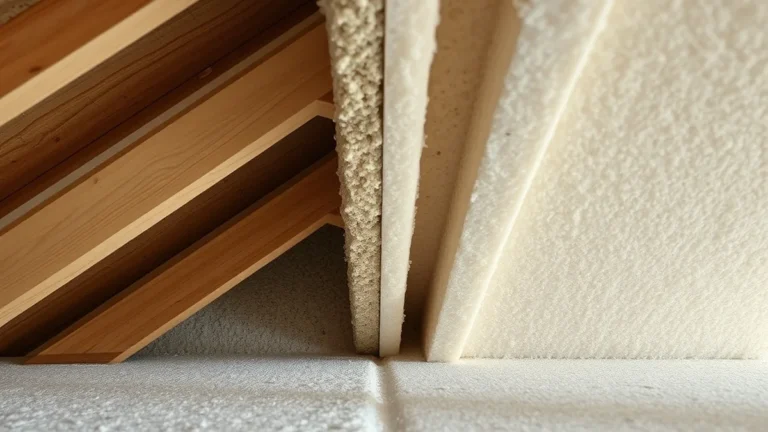
The building envelope serves as the primary barrier between the indoor environment and external conditions. Effective insulation, air sealing, and window performance are critical for maintaining thermal comfort and energy efficiency. A well-designed envelope allows for accurate Manual J calculations, which determine the heating and cooling loads necessary for a home based on its size, orientation, and insulation levels. For instance, a home with a total square footage of 2,000 sq. ft. and an R-value of 30 in the walls may require approximately 30,000 BTUs for heating, depending on the climate zone.
Manual J calculations also account for factors like air infiltration rates, which can significantly impact energy consumption. Homes with poor air sealing may experience infiltration rates of 0.5 to 1.5 air changes per hour (ACH), leading to increased heating and cooling demands. By improving envelope performance through air sealing and insulation upgrades, homeowners can reduce these rates, resulting in lower BTU requirements and enhanced comfort. A well-sealed envelope can decrease heating loads by up to 20%, illustrating the importance of prioritizing envelope improvements before selecting HVAC equipment.
Prioritizing the Sequence of Retrofits: Seal Before Sizing
In the realm of home electrification, the sequence of retrofits is vital for achieving optimal performance. Homeowners should prioritize air sealing and insulation improvements before sizing and installing new HVAC systems. This approach ensures that the heating and cooling loads calculated during Manual J assessments are accurate and reflective of the home’s true energy needs. For example, if a homeowner installs a new heat pump without first addressing air leaks, they may inadvertently oversize the system, leading to inefficiencies and increased energy costs.
Furthermore, retrofitting in the correct sequence can unlock additional rebate opportunities. Many utility programs require that homes meet specific energy efficiency standards before qualifying for rebates on HVAC equipment. By first sealing the envelope and improving insulation, homeowners can often achieve these standards, making them eligible for significant financial incentives. For instance, a homeowner who invests $3,000 in air sealing and insulation may qualify for rebates that cover 20% of their total HVAC upgrade costs, effectively reducing the overall investment.
Evaluating Equipment Efficiency and Rebate Opportunities
| Equipment Type | Minimum Efficiency Rating (SEER/EER) | Typical Rebate Amount |
|---|---|---|
| Central Air Conditioner | 14 SEER / 12 EER | $300 – $600 |
| Heat Pump | 15 SEER / 8.2 HSPF | $500 – $1,000 |
| Mini-Split System | 16 SEER / 9.0 HSPF | $300 – $800 |
| Electric Water Heater | 2.0 EF | $200 – $400 |
As the electrification landscape evolves, equipment efficiency ratings will play a pivotal role in determining rebate eligibility. Homeowners should focus on systems that exceed minimum efficiency standards, as these often qualify for higher rebate amounts. For example, switching from a standard central air conditioner to a high-efficiency heat pump can yield rebates of up to $1,000, significantly offsetting installation costs. Additionally, many states and utilities are increasing their rebate offerings to encourage electrification, making it essential for homeowners to stay informed about available programs.
Avoiding Oversizing and Short-Cycling Issues
Oversizing HVAC equipment can lead to short-cycling, where the system turns on and off frequently, reducing efficiency and comfort. Proper sizing based on Manual J calculations is essential to avoid these pitfalls.
Oversizing is a common mistake in HVAC installations, often resulting from a lack of understanding of Manual J calculations or inadequate envelope performance. When equipment is oversized, it can lead to short-cycling, where the system operates for brief periods before shutting off. This not only wastes energy but also fails to adequately dehumidify the indoor air, leading to discomfort and potential mold growth.
To mitigate these issues, homeowners should ensure that their HVAC systems are sized correctly based on the actual heating and cooling loads determined during Manual J assessments. For example, a correctly sized heat pump for a 2,000 sq. ft. home may have a capacity of 36,000 BTUs, while an oversized unit could exceed 48,000 BTUs. This discrepancy can lead to a 30% increase in energy consumption, illustrating the importance of precise sizing. Homeowners should also consider variable-speed systems, which can adjust their output based on real-time demand, further enhancing efficiency and comfort.
Related Crimson Lab Briefings: Explore deeper benchmarks in ACCA Manual J Heat-Load Audits: Prevent Oversized HVAC Short-Cycling and Open-Blow Attic Cellulose R-60 Density vs Closed-Cell Roof Deck Spray Foam.
Contractor Quotes and IRS Certification Checklist
When embarking on a home electrification project, obtaining multiple contractor quotes is crucial for ensuring competitive pricing and quality workmanship. Homeowners should seek contractors who are familiar with local rebate programs and can provide detailed estimates that outline the scope of work, equipment specifications, and anticipated energy savings. A comprehensive quote should include a breakdown of labor and materials, as well as any potential rebates that may apply.
Additionally, homeowners must be aware of the IRS certification requirements for energy-efficient upgrades. To qualify for federal tax credits, homeowners should ensure that their chosen equipment meets the necessary efficiency standards and that contractors provide the appropriate documentation. This includes receipts, manufacturer certifications, and any relevant energy performance reports. For instance, homeowners can claim up to $2,000 in tax credits for qualifying heat pumps and air conditioning systems, making it essential to keep accurate records throughout the installation process.
Prioritizing envelope air sealing alongside Manual J equipment sizing maximizes home electrification comfort and ROI.