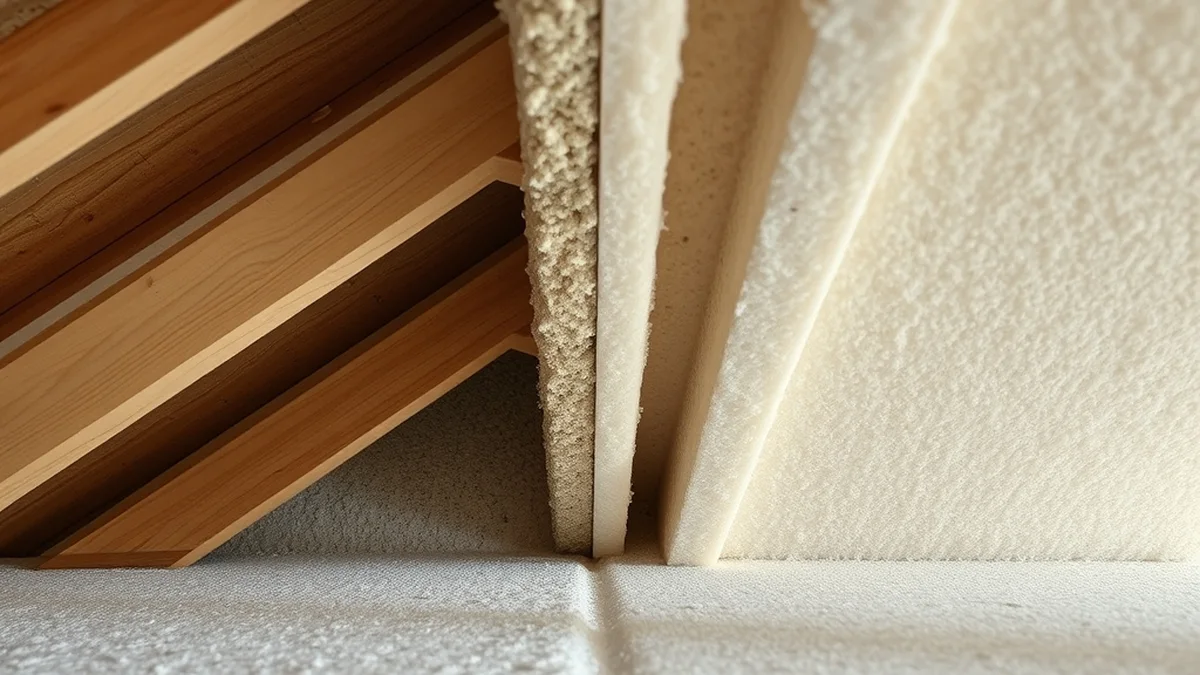
Open-Blow Attic Cellulose R-60 Density vs Closed-Cell Roof Deck Spray Foam
When comparing open-blow attic cellulose insulation with R-60 density to closed-cell roof deck spray foam, the choice hinges on thermal performance, air sealing capabilities, and overall energy efficiency. Both options have unique benefits that can significantly impact HVAC system sizing and rebate eligibility, making it crucial to understand their implications for home retrofits.
Understanding Envelope Dynamics and Manual J Calculations
The building envelope plays a critical role in energy efficiency, dictating how heat is retained or lost. Manual J calculations help determine the heating and cooling loads of a home, factoring in insulation types, air infiltration rates, and overall square footage. For instance, a home with R-60 cellulose insulation in the attic will have a lower heat loss than one with R-30, potentially reducing the heating load by approximately 20-30%. This reduction translates to lower BTU requirements for heating systems, which is essential for sizing HVAC equipment accurately.
In contrast, closed-cell spray foam insulation not only provides a higher R-value per inch (around R-6 to R-7) but also acts as an air barrier, significantly reducing air leakage. When calculating the heating load, the effective R-value of the insulation must be considered alongside the air changes per hour (ACH). For example, a home with 2,000 square feet of roof deck insulated with closed-cell spray foam can achieve an effective R-value of R-38 when factoring in reduced air infiltration, leading to a more significant decrease in required BTUs for heating and cooling.
Optimal Retrofit Sequence: Seal Before Sizing
When planning a retrofit, the sequence of actions is paramount. The first step should always be to seal the building envelope before sizing HVAC equipment. This approach ensures that the Manual J calculations reflect the true thermal performance of the home. For example, if a home is retrofitted with cellulose insulation but not adequately air-sealed, the expected energy savings may not materialize, leading to oversizing of equipment and inefficient operation.
In practice, this means conducting a blower door test to assess the current air leakage rate. If a home has an ACH of 5, sealing strategies should aim to reduce this to 2 or lower. Once the envelope is properly sealed, the HVAC system can be sized based on the new, lower heating and cooling loads. This process not only enhances comfort but also maximizes the potential for rebates, as many programs require proof of air sealing before equipment upgrades.
Evaluating Equipment Efficiency and Rebate Opportunities
Understanding the efficiency of HVAC equipment is crucial for maximizing energy savings and rebate eligibility. High-efficiency systems, such as those with SEER ratings above 16 for air conditioning and AFUE ratings above 90% for furnaces, can significantly reduce energy consumption. The following table outlines potential rebates based on equipment efficiency:
| Equipment Type | Minimum Efficiency | Potential Rebate |
|---|---|---|
| Central Air Conditioner | SEER 16+ | $500 |
| Gas Furnace | AFUE 90%+ | $300 |
| Heat Pump | HSPF 8.2+ | $600 |
By selecting high-efficiency equipment, homeowners can not only reduce their utility bills but also qualify for substantial rebates. Many utility companies and state programs offer incentives for energy-efficient upgrades, which can offset the initial investment costs significantly. It’s essential to stay informed about local rebate programs and ensure that all installations meet the required efficiency standards to qualify.
Avoiding Oversizing: The Risks of Short-Cycling and Panel Traps
Oversizing HVAC equipment can lead to short-cycling, where the system turns on and off frequently, causing wear and tear and reducing lifespan. This inefficiency can also result in uneven temperatures throughout the home, leading to discomfort.
Short-cycling is a common issue in homes where the HVAC system is not properly sized according to the Manual J calculations. For instance, if a home requires 30,000 BTUs for heating but is equipped with a 50,000 BTU furnace, the system will cycle on and off rapidly, failing to maintain a consistent temperature. This not only wastes energy but can also lead to increased maintenance costs over time.
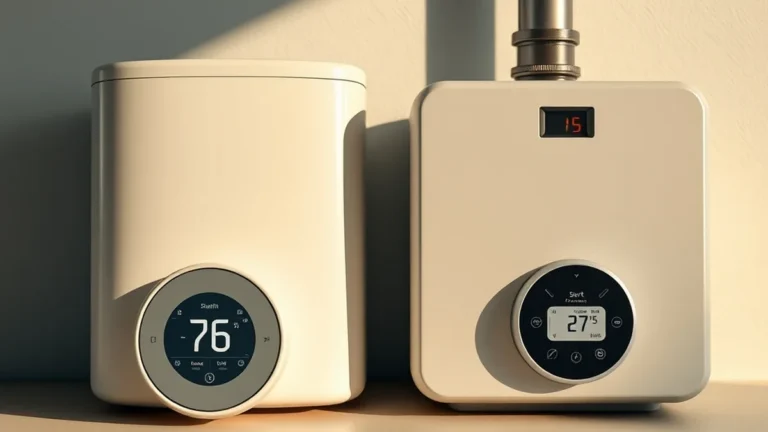
To mitigate these risks, it is essential to ensure that the HVAC system is sized accurately after completing air sealing and insulation upgrades. Additionally, consider the installation of smart thermostats and load management systems that can optimize system performance and reduce energy consumption. These technologies can help manage short-cycling and improve overall system efficiency, further enhancing comfort and savings.
Related Crimson Lab Briefings: Explore deeper benchmarks in Ventless Heat Pump Clothes Dryers vs Vented Electric Units: Key Differences and Dual-Fuel Heat Pump vs. Gas Furnace: Economic Crossover Temperature Insights.
Contractor Quotes and IRS Certification Checklist
When embarking on a retrofit project, obtaining detailed quotes from qualified contractors is crucial. These quotes should outline the scope of work, materials to be used, and expected timelines. It’s essential to ensure that the contractor is familiar with local building codes and rebate requirements. A well-documented quote can also serve as a reference for IRS certification, which is necessary for claiming energy efficiency tax credits.
Homeowners should maintain a checklist of necessary documentation for IRS certification, including proof of purchase, contractor invoices, and any relevant energy audit reports. The IRS offers tax credits for energy-efficient home improvements, which can significantly offset costs. For example, homeowners can claim up to 10% of the cost of insulation materials, with a maximum credit cap of $500. Ensuring that all documentation is in order will streamline the process and maximize potential savings.
Prioritizing envelope air sealing alongside Manual J equipment sizing maximizes home electrification comfort and ROI.