Smart Thermostat C-Wire Power Stealing Issues in Single-Stage Boilers
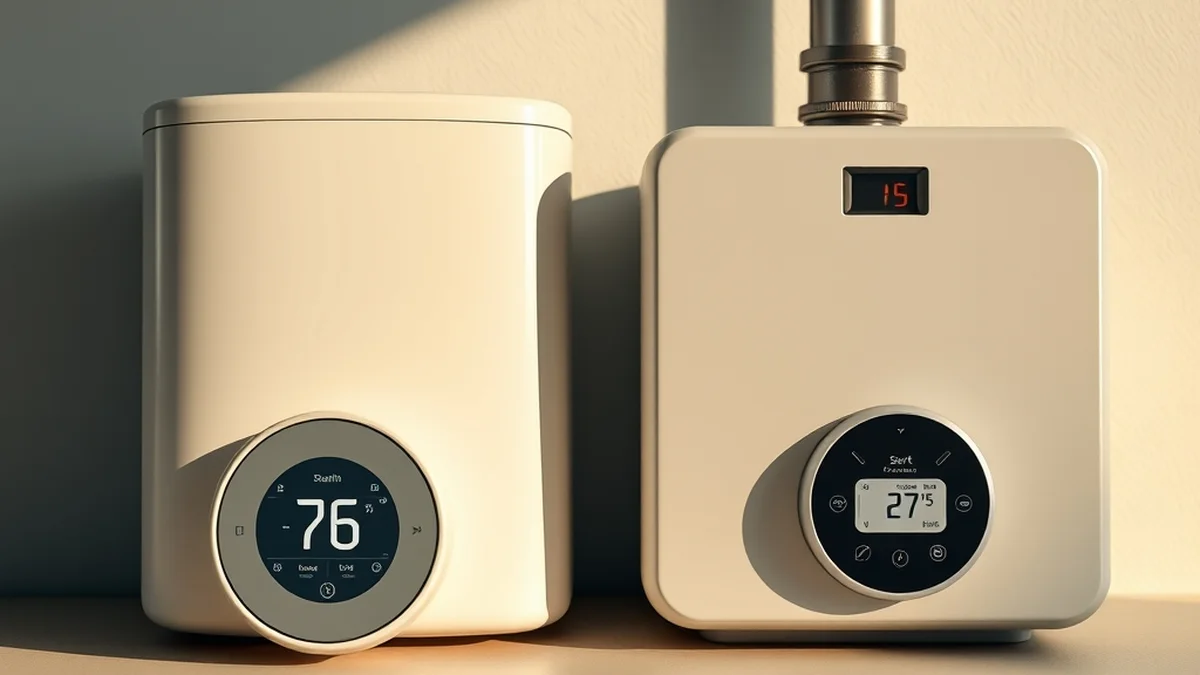
Smart thermostats often rely on C-wire connections for power, but in single-stage boiler systems, power stealing can lead to failure modes that compromise system efficiency and reliability. Understanding these dynamics is crucial for homeowners looking to optimize their HVAC systems and maximize rebate eligibility.
Understanding Envelope & Manual J Physics for HVAC Systems
The foundation of any effective HVAC retrofit begins with a thorough understanding of the building envelope and Manual J load calculations. The building envelope, which includes walls, roofs, windows, and doors, plays a critical role in determining the heating and cooling loads of a home. A well-sealed envelope minimizes air leakage, which can otherwise lead to significant energy losses. For instance, a home with a leaky envelope may require an additional 20-30% more heating capacity, increasing operational costs and reducing comfort.
Manual J calculations provide the necessary framework for accurately sizing equipment based on the specific thermal characteristics of a home. This calculation considers factors such as square footage, insulation levels, window orientation, and local climate. For example, a 2,000 square foot home in a temperate climate might have a heating load of approximately 30,000 BTUs per hour. Properly sizing the heating system not only enhances comfort but also ensures that the system operates within its most efficient range, preventing issues such as short cycling.
Sequence of Retrofits: Prioritizing Air Sealing Before Sizing
When planning a retrofit, the sequence of improvements is crucial. Air sealing should always precede equipment sizing. This is because a leaky envelope can lead to oversizing of HVAC equipment, which in turn can cause inefficiencies and increased wear and tear. For instance, if a home is not properly sealed, a contractor might recommend a boiler with a capacity of 40,000 BTUs instead of the correctly sized 30,000 BTUs, leading to excessive cycling and energy waste.
Homeowners should conduct a thorough energy audit to identify areas of air leakage. Common culprits include gaps around windows and doors, insufficient insulation in attics, and unsealed ductwork. By addressing these issues first, homeowners can ensure that their HVAC systems are appropriately sized for their actual heating needs, leading to improved efficiency and lower energy bills.
Evaluating Equipment Efficiency & Rebate Opportunities
| Equipment Type | Efficiency Rating (AFUE) | Estimated Annual Savings | Rebate Eligibility |
|---|---|---|---|
| High-Efficiency Boiler | 90%+ | $500 | Up to $1,000 |
| Standard Boiler | 80-89% | $300 | Up to $500 |
| Smart Thermostat | N/A | $100 | Up to $200 |
Investing in high-efficiency equipment not only enhances comfort but can also yield significant financial benefits through rebates. For example, upgrading to a high-efficiency boiler with an Annual Fuel Utilization Efficiency (AFUE) of 90% or higher can save homeowners approximately $500 annually in energy costs. Additionally, many utility companies offer rebates that can offset the initial investment, sometimes providing up to $1,000 for qualifying equipment.
Smart thermostats, while not directly impacting the efficiency rating of a boiler, can optimize system performance and further reduce energy consumption. Homeowners can often receive rebates of up to $200 for installing these devices, making them a cost-effective addition to any HVAC retrofit.
Avoiding Oversizing, Short-Cycling, and Panel Traps
Oversizing HVAC equipment can lead to short-cycling, where the system turns on and off frequently, leading to increased wear and tear and reduced lifespan. This not only affects the comfort of the home but can also lead to higher energy bills due to inefficient operation.
Short-cycling is a common issue in improperly sized systems, particularly when C-wire power stealing is involved in smart thermostat installations. When a thermostat is unable to maintain a consistent power supply, it may cause the system to cycle on and off rapidly, leading to inefficient heating and cooling. This scenario is particularly problematic for single-stage boilers, which are designed to operate at a steady state. The result is often higher energy costs and a reduced lifespan for the equipment.
To prevent these issues, it is essential to ensure that the HVAC system is correctly sized based on Manual J calculations and that the installation is performed by qualified professionals. Additionally, homeowners should consider the implications of power stealing when selecting smart thermostats, opting for models that are compatible with their existing systems to avoid potential failures.
Related Crimson Lab Briefings: Explore deeper benchmarks in Ductless Ceiling Cassette vs Wall-Mounted Mini-Split: Key Refrigerant Losses and Smart Circuit Load Management Subpanels: Save on Meter Service Costs.
Contractor Quotes & IRS Certification Checklist
When seeking to upgrade HVAC systems, obtaining multiple contractor quotes is essential for ensuring competitive pricing and quality workmanship. Homeowners should request detailed quotes that include equipment specifications, installation costs, and projected energy savings. A well-structured quote will also outline any potential rebates or tax credits available, helping homeowners make informed decisions.
In addition to contractor quotes, understanding IRS certification requirements can help homeowners maximize their tax benefits. The IRS offers various credits for energy-efficient home improvements, including those related to HVAC upgrades. Homeowners should ensure that their contractors provide the necessary documentation to claim these credits, including proof of equipment efficiency ratings and installation details. Keeping thorough records will facilitate the claims process and ensure compliance with IRS guidelines.
Prioritizing envelope air sealing alongside Manual J equipment sizing maximizes home electrification comfort and ROI.