Dual-Fuel Heat Pump vs. Gas Furnace: Economic Crossover Temperature Insights
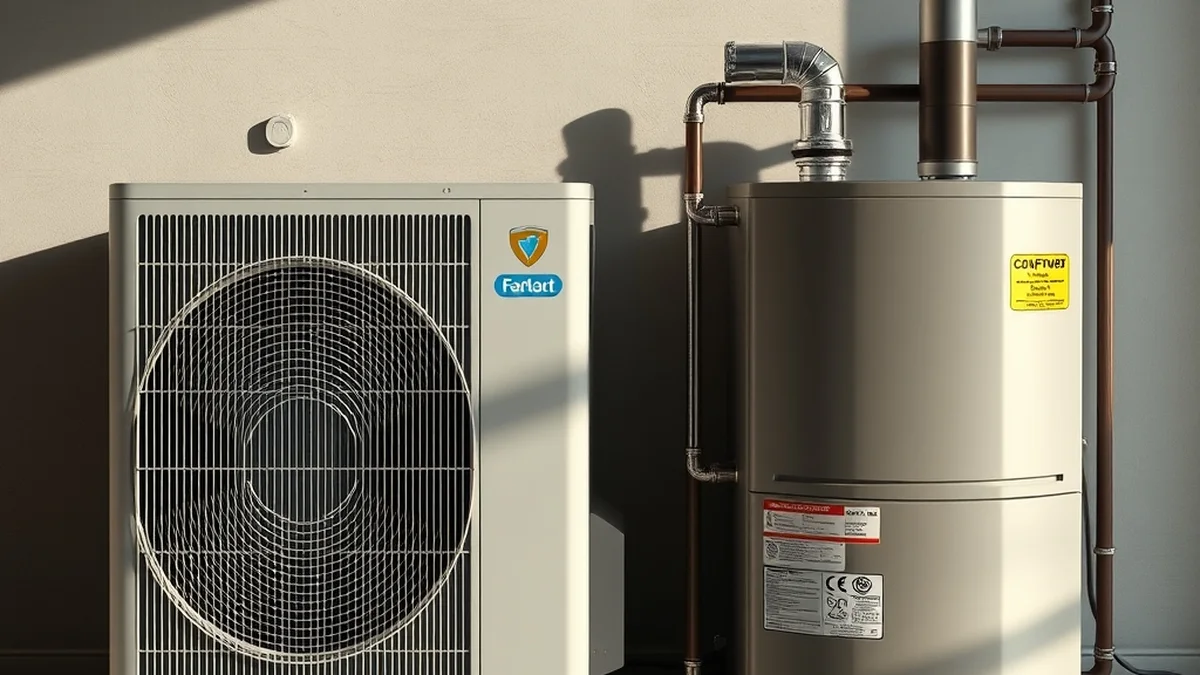
Understanding the economic crossover temperature for dual-fuel heat pumps and gas furnaces is essential for homeowners considering retrofitting their HVAC systems. This temperature indicates when the cost of operating a heat pump becomes more economical than running a gas furnace, typically falling between 30°F and 40°F, depending on system efficiencies and local energy prices.
Envelope Integrity and Manual J Load Calculations
Before diving into equipment selection, it’s crucial to assess your home’s envelope integrity. A well-sealed and insulated envelope minimizes heat loss, directly impacting the heating load calculated through a Manual J analysis. For instance, a home with a total conditioned space of 2,000 square feet might have a heating load of 30,000 BTUs per hour if poorly insulated. However, with proper air sealing and insulation, this load could drop to 20,000 BTUs per hour. This reduction not only enhances comfort but also allows for smaller, more efficient heating equipment.
Manual J calculations consider factors like climate zone, square footage, and insulation levels. For example, in a cold climate zone, a home with R-19 insulation in the walls and R-38 in the attic may require different BTU outputs compared to a home with R-13 walls and R-30 attic insulation. Accurate load calculations ensure that the selected dual-fuel heat pump operates efficiently, maximizing its performance during the crossover temperature range.
Strategic Retrofit Sequencing: Seal Before Sizing
When planning a retrofit, the sequence of improvements is critical. Air sealing should be prioritized before sizing and installing new HVAC equipment. This approach prevents oversizing, which can lead to short-cycling and increased energy costs. For example, if a home is initially estimated to need 30,000 BTUs but is not sealed, the actual load might be only 20,000 BTUs after sealing. Installing a heat pump sized for the unsealed load could result in inefficiencies and higher operational costs.
Homeowners should conduct a blower door test to identify leaks and areas needing improvement. This test quantifies air changes per hour (ACH) and helps prioritize sealing efforts. Once the envelope is optimized, a new Manual J calculation can be performed to determine the correct size of the heat pump. This method ensures that the system operates efficiently and effectively, particularly during the crossover temperature where economic considerations are paramount.
Comparative Equipment Efficiency and Rebate Opportunities
Understanding the efficiency ratings of dual-fuel heat pumps and gas furnaces is essential for making informed decisions. The Seasonal Energy Efficiency Ratio (SEER) and Heating Seasonal Performance Factor (HSPF) for heat pumps are critical metrics. For example, a dual-fuel heat pump with a SEER of 16 and an HSPF of 9.0 can significantly outperform a traditional gas furnace with an Annual Fuel Utilization Efficiency (AFUE) of 80%. This translates to lower operational costs, especially as electricity prices become more favorable compared to natural gas.
| Equipment Type | SEER | HSPF | AFUE | Estimated Annual Cost |
|---|---|---|---|---|
| Dual-Fuel Heat Pump | 16 | 9.0 | N/A | $1,200 |
| Gas Furnace | N/A | N/A | 80% | $1,500 |
Rebate opportunities can further enhance the financial viability of switching to a dual-fuel system. Many utility companies and state programs offer incentives for energy-efficient upgrades. Homeowners should investigate local rebate programs, which can often cover a significant portion of the installation costs, making the transition to electrification even more attractive.
Avoiding Oversizing: Short-Cycling and Panel Traps
Oversizing HVAC systems can lead to short-cycling, where the system turns on and off frequently, wasting energy and reducing comfort. For instance, a heat pump that is oversized for a 2,000 square foot home may cycle on for only a few minutes before shutting off, failing to adequately dehumidify the space.
Short-cycling not only increases wear and tear on the equipment but also leads to inconsistent temperatures and humidity levels. Proper sizing based on post-retrofit Manual J calculations is essential to avoid these pitfalls. Additionally, panel traps can occur when the system is not properly balanced, leading to uneven heating and cooling throughout the home. Ensuring that ductwork is correctly sized and sealed can mitigate these issues, enhancing overall system performance.
Related Crimson Lab Briefings: Explore deeper benchmarks in ACCA Manual J Heat-Load Audits: Prevent Oversized HVAC Short-Cycling and Smart Circuit Load Management Subpanels: Save on Meter Service Costs.
Contractor Selection and IRS Certification Checklist
Choosing the right contractor for your HVAC retrofit is crucial for ensuring quality installation and compliance with rebate requirements. Homeowners should seek contractors who are BPI-certified and have experience with dual-fuel systems. A qualified contractor will conduct a thorough assessment of your home, perform Manual J calculations, and recommend appropriate equipment based on your specific needs.
Before proceeding with installation, homeowners should ensure that the contractor provides a detailed quote that includes all aspects of the retrofit, from equipment costs to labor. Additionally, to qualify for federal tax credits, homeowners must ensure that the installed equipment meets IRS guidelines. This includes obtaining the necessary certification from the contractor, which confirms that the equipment meets efficiency standards. Keeping track of all documentation will facilitate the rebate process and ensure compliance with IRS requirements.
Prioritizing envelope air sealing alongside Manual J equipment sizing maximizes home electrification comfort and ROI.