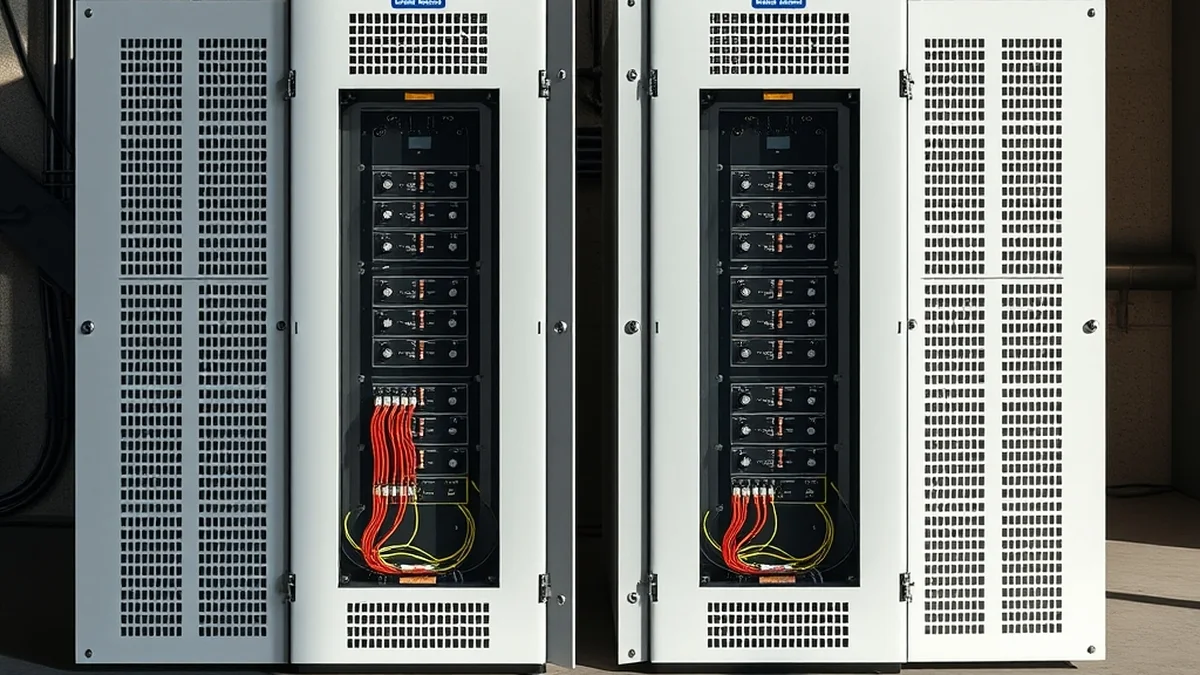
Smart Circuit Load Management Subpanels: Save on Meter Service Costs
Smart circuit load management subpanels can significantly reduce the need for costly meter service trenching, optimizing electrical efficiency in retrofitted homes. By integrating advanced load management systems, homeowners can enhance their HVAC performance while ensuring compliance with rebate eligibility requirements, ultimately leading to substantial cost savings.
Understanding Envelope & Manual J Physics
The building envelope is the first line of defense in energy efficiency, playing a crucial role in HVAC performance. According to the ACCA Manual J, accurate heat load calculations are essential for determining the appropriate size of heating and cooling systems. A well-insulated envelope minimizes heat loss in winter and heat gain in summer, allowing for smaller, more efficient HVAC systems. For example, a home with a well-sealed envelope may require only 25,000 BTUs for heating, compared to 35,000 BTUs for a poorly insulated counterpart, showcasing a potential 30% reduction in energy demand.
Furthermore, the physics of air movement through the envelope must be considered. The air exchange rate, measured in CFM (cubic feet per minute), directly impacts HVAC efficiency. A home with a high air exchange rate may require additional heating or cooling capacity, leading to oversizing and increased operational costs. By conducting a thorough blower door test, homeowners can identify air leaks and implement necessary sealing measures, ensuring that the HVAC system operates within its intended capacity, as outlined in our Blower-Door Air Sealing article.
Sequence of Retrofits: Seal Before Sizing
When retrofitting a home for electrification, the sequence of upgrades is critical. The first step should always be sealing the building envelope to prevent energy loss. This foundational work ensures that the HVAC system is not working against a leaky structure, which can lead to inefficiencies and increased energy bills. For instance, sealing air leaks can improve energy efficiency by up to 20%, allowing for a more precise HVAC sizing process.
After sealing, homeowners should proceed with equipment sizing based on the newly established envelope performance. This sequence prevents the common pitfall of oversizing systems, which can lead to short-cycling and increased wear on components. By following this methodical approach, homeowners can ensure that their systems operate efficiently, ultimately leading to lower energy costs and improved comfort levels throughout the home.
Evaluating Equipment Efficiency: A Rebate Table
When selecting HVAC equipment, efficiency ratings play a pivotal role in determining both performance and rebate eligibility. The following table outlines common HVAC systems, their efficiency ratings, and potential rebates available through federal and state programs:
| System Type | Efficiency Rating (SEER/EER) | Estimated Rebate |
|---|---|---|
| Central Air Conditioner | 16 SEER / 12 EER | $300 |
| Heat Pump | 18 SEER / 10 EER | $500 |
| Mini-Split System | 20 SEER / 12 EER | $600 |
| High-Efficiency Gas Furnace | 95% AFUE | $400 |
By investing in high-efficiency systems, homeowners not only reduce their carbon footprint but also become eligible for significant rebates. This financial incentive can offset the initial costs of retrofitting, making it more accessible for homeowners to transition to electrified systems.
Avoiding Oversizing: Short-Cycling & Panel Traps
Oversizing HVAC systems can lead to short-cycling, where the system frequently turns on and off, causing increased wear and tear. This not only reduces the lifespan of the equipment but also leads to inconsistent indoor temperatures.
Short-cycling is a common issue in homes where the HVAC system is not properly sized according to the Manual J calculations. For example, a system rated for 40,000 BTUs in a home that only requires 30,000 BTUs will cycle on and off rapidly, leading to inefficiencies and higher energy costs. Additionally, this phenomenon can create uncomfortable temperature swings, negatively impacting indoor air quality and comfort.
Moreover, the electrical panel must be adequately sized to handle the load of the HVAC system. If the panel is undersized, it can lead to electrical hazards and increased operational costs. Homeowners should ensure that their electrical infrastructure is compatible with the new systems installed, preventing potential panel traps that could hinder performance and safety.
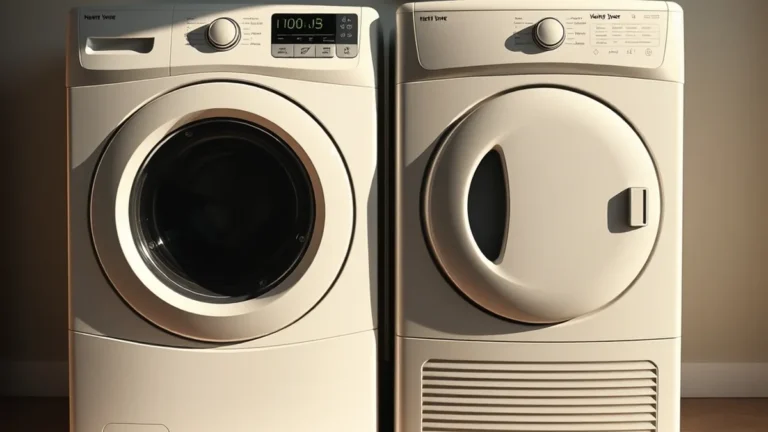
Related Crimson Lab Briefings: Explore deeper benchmarks in Ventless Heat Pump Clothes Dryers vs Vented Electric Units: Key Differences.
Contractor Quotes & IRS Certification Checklist
When embarking on a home retrofit project, obtaining multiple contractor quotes is essential. Homeowners should seek quotes from BPI-certified professionals who understand the intricacies of electrification and can provide comprehensive assessments. A reliable contractor will evaluate the home’s envelope, perform Manual J calculations, and recommend appropriate equipment based on efficiency and rebate eligibility.
Additionally, to qualify for federal tax credits, homeowners must ensure that their chosen equipment meets specific IRS criteria. The following checklist can help ensure compliance:
- Confirm that the equipment meets the minimum efficiency standards set by the IRS.
- Obtain a copy of the manufacturer’s certification statement.
- Keep records of all receipts and documentation related to the purchase and installation.
- Consult with a tax professional to ensure all forms are correctly filed.
By following this checklist, homeowners can maximize their tax benefits while ensuring that their retrofitting efforts align with best practices for home electrification.
Prioritizing envelope air sealing alongside Manual J equipment sizing maximizes home electrification comfort and ROI.