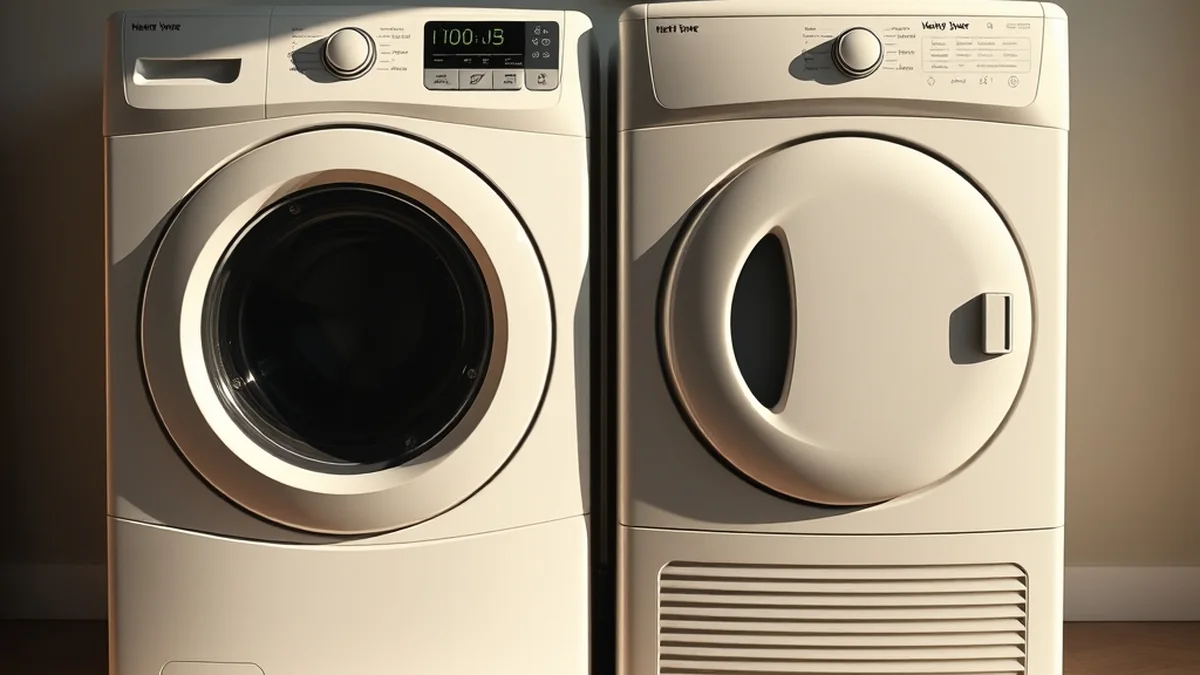
Ventless Heat Pump Clothes Dryers vs Vented Electric Units: Key Differences
When comparing ventless heat pump clothes dryers to traditional vented electric units, it’s crucial to consider the impact of lint and latent heat on energy efficiency and indoor air quality. Ventless models utilize heat exchanger technology to recycle moisture-laden air, while vented units expel warm air outside, affecting BTU/CFM sizing and overall system performance.
Understanding Envelope & Manual J Physics
The performance of any HVAC system, including clothes dryers, hinges on the building envelope and proper Manual J calculations. The envelope must be adequately sealed to prevent air leaks, which can significantly impact the efficiency of heat pump dryers. A well-sealed envelope reduces the load on the system, allowing for more accurate sizing based on the home’s specific heating and cooling needs.
Manual J calculations provide a detailed analysis of heat loss and gain within a home, factoring in insulation levels, window types, and local climate conditions. For example, a home with a total conditioned area of 2,000 square feet in a cold climate may require a heat pump dryer with a capacity of around 4,000 BTUs, assuming a CFM (cubic feet per minute) requirement of 200. This precision in sizing ensures that the dryer operates efficiently, minimizing energy waste and enhancing comfort.
Sequence of Retrofits: Seal Before Sizing
Before upgrading to a ventless heat pump dryer, homeowners should prioritize air sealing as part of their retrofit strategy. Sealing gaps and cracks in the building envelope not only improves energy efficiency but also enhances the performance of the dryer. For instance, a blower-door test can identify air leakage, which, if left unaddressed, could lead to oversizing the dryer and subsequent short-cycling issues.
Once the envelope is sealed, homeowners can confidently proceed with sizing the heat pump dryer. This sequence of retrofits ensures that the system is not only appropriately sized but also operates at peak efficiency. A well-sealed home can reduce the necessary BTUs for drying clothes by up to 20%, translating to lower energy bills and improved indoor air quality.
Equipment Efficiency & Rebate Table
When considering the switch to a ventless heat pump dryer, understanding equipment efficiency ratings and available rebates is essential. The U.S. Department of Energy (DOE) provides energy factor (EF) ratings, which measure the efficiency of dryers. For instance, a ventless heat pump dryer typically has an EF of 3.0 or higher, compared to 2.0 for traditional vented units. This difference can lead to significant energy savings over time.
| Dryer Type | Energy Factor (EF) | Estimated Annual Energy Cost | Rebate Eligibility |
|---|---|---|---|
| Vented Electric | 2.0 | $120 | None |
| Ventless Heat Pump | 3.0 | $80 | $300-$500 |
Homeowners can potentially save over $40 annually by switching to a ventless heat pump dryer, in addition to qualifying for rebates that can offset the initial investment. These rebates vary by state and utility provider, but they can significantly enhance the return on investment for homeowners looking to electrify their laundry systems.
Oversizing Short-Cycling & Panel Traps
Oversizing a heat pump dryer can lead to short-cycling, where the unit turns on and off frequently, reducing its efficiency and lifespan. A correctly sized unit will operate longer cycles, allowing for better moisture removal and energy use.
Short-cycling not only wastes energy but can also lead to increased wear and tear on the dryer components. For example, a dryer that is oversized by 50% may cycle on and off every 15 minutes instead of running for a full drying cycle of 45 minutes. This can lead to an estimated 30% increase in energy consumption and a significant reduction in the dryer’s lifespan.
Additionally, panel traps can occur when the dryer is not properly vented or when the installation does not allow for adequate airflow. This can trap moisture and lint, leading to potential mold growth and indoor air quality issues. Ensuring proper installation and sizing is crucial to avoid these pitfalls and maintain a healthy home environment.
Related Crimson Lab Briefings: Explore deeper benchmarks in Blower-Door Air Sealing: Key Step Before Sizing Cold-Climate Heat Pumps.
Related Crimson Lab Briefings: Explore deeper benchmarks in Ductless Ceiling Cassette vs Wall-Mounted Mini-Split: Key Refrigerant Losses.
Contractor Quote & IRS Certification Checklist
When planning to install a ventless heat pump dryer, obtaining a detailed quote from a qualified contractor is essential. This quote should include the cost of equipment, installation, and any necessary modifications to the home’s electrical system. Homeowners should also inquire about the contractor’s experience with heat pump technology and their familiarity with local rebate programs.
To maximize potential rebates and ensure compliance with IRS guidelines, homeowners should maintain a checklist of necessary certifications and documentation. This includes proof of energy efficiency ratings, installation receipts, and any required permits. The IRS offers tax credits for energy-efficient home improvements, which can further enhance the financial benefits of switching to a ventless heat pump dryer.
Prioritizing envelope air sealing alongside Manual J equipment sizing maximizes home electrification comfort and ROI.