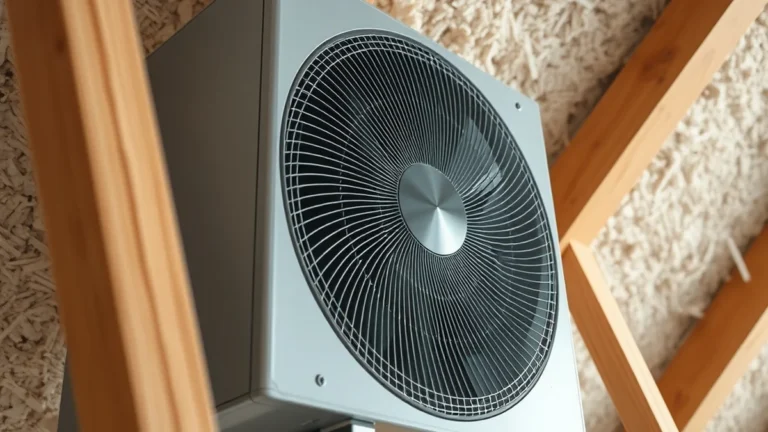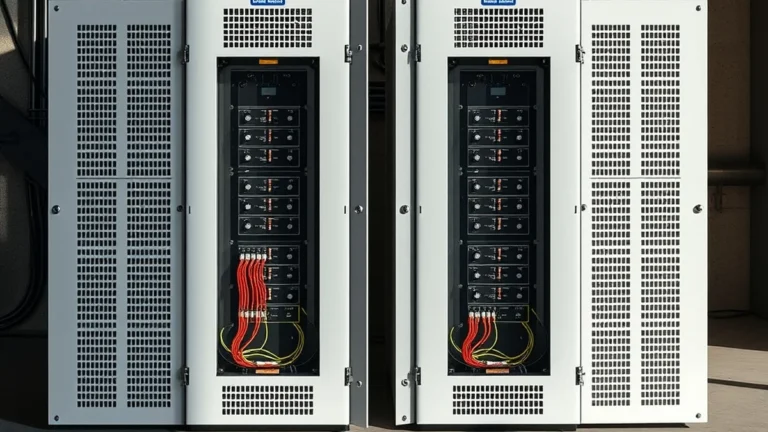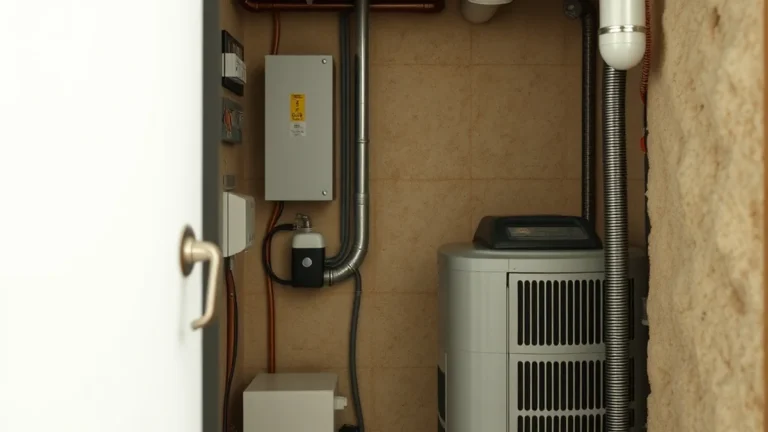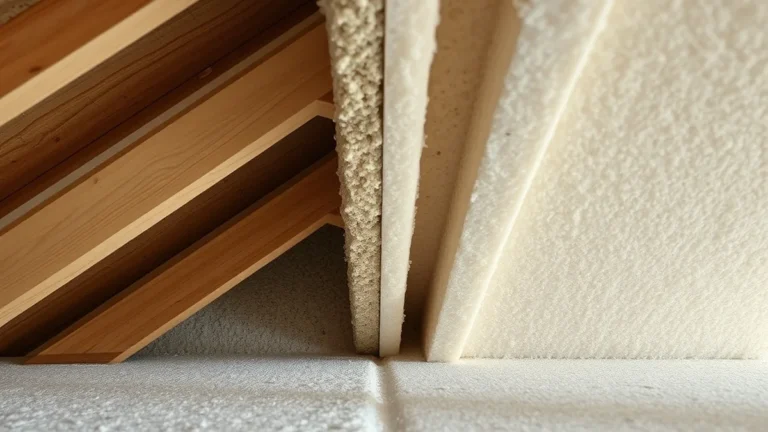

Traditional HVAC vs All-Electric Systems: Key Differences Explained
When considering a transition from traditional HVAC systems to all-electric alternatives, understanding the nuances of BTU/CFM sizing, envelope prerequisites, and potential IRS credit caps is crucial. This editorial briefing will guide you through essential factors to consider for a successful home retrofit.
Understanding Envelope & Manual J Physics
The performance of any HVAC system is intrinsically linked to the building envelope and the principles outlined in Manual J calculations. Manual J is a standardized method for determining the heating and cooling loads of a home, factoring in insulation levels, window types, and air infiltration rates. For instance, a well-insulated home with R-30 attic insulation and double-pane windows might require only 20 BTUs per square foot, while a poorly insulated home could demand upwards of 40 BTUs per square foot.
To effectively size your HVAC system, you must first assess your home’s envelope. This includes evaluating insulation quality, air leaks, and thermal bridging. A comprehensive energy audit can reveal areas needing improvement. For example, sealing gaps around windows and doors can reduce air leakage by up to 30%, significantly lowering heating and cooling demands. By ensuring your envelope is optimized, you can reduce the required capacity of your HVAC system, leading to lower operational costs and improved comfort.
Sequence of Retrofits: Seal Before Sizing
When retrofitting your home, the order of operations is critical. The first step should always be to seal the envelope before sizing or installing new HVAC equipment. This sequence ensures that the new system is neither oversized nor undersized, both of which can lead to inefficiencies and increased costs. For example, if a home has significant air leaks, a newly installed system may not perform as expected, leading to higher energy bills and discomfort.
Start with air sealing measures, such as caulking and weatherstripping, followed by insulation upgrades. Once these steps are complete, conduct a Manual J load calculation to determine the appropriate size for your new all-electric HVAC system. This approach not only enhances energy efficiency but also maximizes the effectiveness of any rebates or incentives available for energy-efficient upgrades. Remember, a well-sealed envelope can reduce heating and cooling loads by as much as 50%, making it a worthwhile investment.
Equipment Efficiency & Rebate Opportunities
| HVAC Type | Efficiency Rating (SEER/EER) | Average Cost | Potential Rebates |
|---|---|---|---|
| Traditional Gas Furnace | 80-95% AFUE | $3,000 – $5,000 | Up to $500 |
| Heat Pump (Air Source) | 15-20 SEER | $5,000 – $8,000 | Up to $2,000 |
| Heat Pump (Ground Source) | 20-30 SEER | $10,000 – $25,000 | Up to $4,500 |
Investing in high-efficiency HVAC systems can yield substantial savings in energy costs and provide access to various rebate programs. For example, the federal government offers tax credits for heat pumps that meet specific efficiency criteria, potentially covering 30% of the installation costs, up to a cap of $2,000. Additionally, many states and local utilities have their own rebate programs, which can further enhance your savings.
Understanding the efficiency ratings of different systems is essential. For instance, an air-source heat pump with a SEER rating of 20 can save homeowners approximately $500 annually compared to a traditional gas furnace. This not only underscores the financial benefits of switching to electric systems but also highlights the environmental advantages, as heat pumps typically produce fewer greenhouse gas emissions than fossil fuel systems.
Avoiding Oversizing, Short-Cycling & Panel Traps
Oversizing HVAC systems can lead to short-cycling, where the system turns on and off rapidly, failing to adequately dehumidify the air and leading to increased wear and tear on equipment. This can be exacerbated by panel traps, where air is trapped in ductwork, causing inefficiencies and discomfort.
Oversizing is a common mistake in HVAC installations, often stemming from a lack of understanding of Manual J calculations. An oversized system may cool or heat a space too quickly, resulting in short-cycling. This not only leads to higher energy bills but can also shorten the lifespan of your equipment. For example, a system that short-cycles can experience a 30% reduction in efficiency, leading to wasted energy and increased maintenance costs.
To avoid these pitfalls, ensure that your HVAC contractor performs a thorough load calculation and considers factors such as ductwork design and airflow. Additionally, addressing panel traps in your duct system can improve airflow and efficiency, further enhancing the performance of your new HVAC system. Properly sized and installed systems can operate more efficiently, providing consistent comfort throughout your home.
Related Crimson Lab Briefings: Explore deeper benchmarks in Ductless Ceiling Cassette vs Wall-Mounted Mini-Split: Key Refrigerant Losses and Open-Blow Attic Cellulose R-60 Density vs Closed-Cell Roof Deck Spray Foam.
Contractor Quote & IRS Certification Checklist
When seeking quotes for your HVAC retrofit, it’s essential to work with certified contractors who understand the requirements for IRS certification and rebate eligibility. A detailed quote should include the system type, efficiency ratings, installation costs, and any applicable warranties. Ensure the contractor is familiar with local and federal rebate programs to maximize your savings.
Before proceeding with installation, verify that your contractor can provide the necessary documentation for IRS certification. This includes proof of purchase, efficiency ratings, and installation details. Additionally, keep a checklist of the following items to ensure compliance:
- Contractor’s license and insurance verification
- Detailed quote with itemized costs
- Documentation of system efficiency ratings
- Proof of installation date and location
- IRS Form 5695 for tax credits
By following this checklist, you can ensure that your investment in an all-electric HVAC system is both financially sound and compliant with IRS regulations. This proactive approach not only enhances your home’s comfort but also positions you to take advantage of available financial incentives.
Prioritizing envelope air sealing alongside Manual J equipment sizing maximizes home electrification comfort and ROI.