
Magnetic Induction Cookware vs Cast-Iron Skillets: Efficiency Showdown
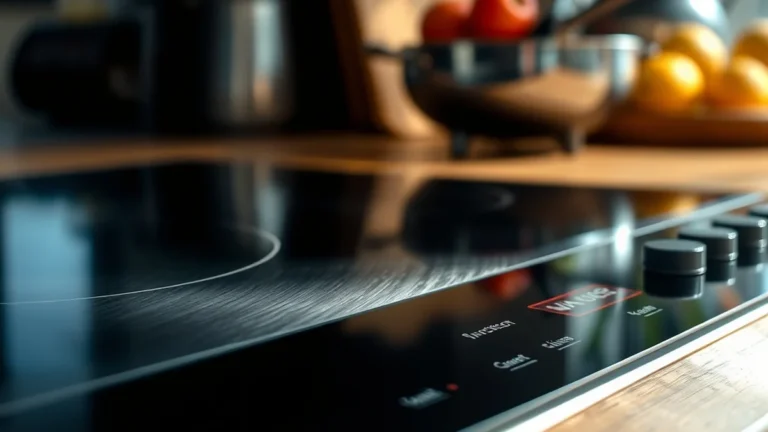
When comparing the efficiency of magnetic ferromagnetic induction cookware to traditional cast-iron skillets, induction technology offers significant advantages in energy transfer and heating speed. Induction cooktops can convert up to 90% of their energy into heat directly in the cookware, while cast iron typically operates at around 70% efficiency, leading to longer cooking times and higher energy consumption.
Understanding Envelope Physics and Manual J Calculations
The efficiency of any heating system, including induction cooktops, is heavily influenced by the building envelope and its thermal performance. The ACCA Manual J outlines the necessary calculations for determining heat load, which is essential for sizing HVAC systems accurately. A well-insulated envelope minimizes heat loss, allowing induction cooktops to operate more effectively by maintaining a stable cooking environment. For instance, a home with a well-sealed envelope can maintain a temperature differential of 20°F with a heat load of approximately 30,000 BTUs, requiring only 1,200 CFM of air to maintain comfort.
In contrast, homes with poor insulation may require larger HVAC systems to compensate for heat loss, leading to inefficiencies and higher energy bills. The physics governing heat transfer—conduction, convection, and radiation—must be understood and applied correctly. The goal is to ensure that the heating system, whether it’s induction or traditional, operates within the optimal range of its design specifications, which is where Manual J plays a crucial role.
Sequence of Retrofits: Prioritize Sealing Before Sizing
When retrofitting a home for better energy efficiency, the sequence of improvements is critical. Prioritizing air sealing before sizing HVAC equipment is essential for achieving optimal performance. Sealing air leaks can reduce heating and cooling loads by up to 30%, allowing for smaller, more efficient systems. For instance, if a home originally required 40,000 BTUs for heating, effective air sealing might reduce that requirement to 28,000 BTUs.
This reduction not only enhances the efficiency of induction cooktops but also allows homeowners to take advantage of rebates for energy-efficient appliances. Many utility companies offer incentives for homes that demonstrate significant energy savings through retrofitting efforts. Therefore, homeowners should conduct a blower door test to identify leaks and prioritize sealing before investing in new heating equipment.
Equipment Efficiency Comparison and Rebate Opportunities
| Cookware Type | Energy Efficiency (%) | Typical BTU Output | Rebate Eligibility |
|---|---|---|---|
| Induction Cookware | 90 | 3,000 – 15,000 | Yes |
| Cast-Iron Skillet | 70 | 5,000 – 10,000 | No |
Induction cooktops not only provide superior energy efficiency but also qualify for various rebate programs. The average rebate for an induction cooktop can range from $50 to $200, depending on local utility programs. In contrast, traditional cooking methods, such as using cast-iron skillets, do not typically qualify for such incentives, making induction a more financially viable option for energy-conscious consumers.
Moreover, induction cooktops heat up faster than traditional methods, reducing cooking time and energy consumption. For example, boiling water with an induction cooktop can take as little as 3 minutes, compared to 7 minutes with a gas stove. This efficiency translates into lower energy bills and a smaller carbon footprint, aligning with modern electrification goals.
Avoiding Oversizing: Short-Cycling and Panel Traps
Oversizing HVAC equipment can lead to short-cycling, where the system turns on and off rapidly, causing inefficient energy use and increased wear on components. Proper sizing, guided by Manual J calculations, prevents these issues and ensures that systems operate at peak efficiency.
Short-cycling is particularly problematic in homes with high-performance induction cooktops, as the demand for heating can fluctuate significantly. If an HVAC system is oversized, it may not run long enough to effectively heat the space, leading to discomfort and increased energy costs. For example, a system designed for a 40,000 BTU load might cycle on and off every 5 minutes instead of running continuously for 15-20 minutes, resulting in wasted energy and higher operational costs.
Additionally, panel traps can occur when air is trapped in ductwork due to improper design or installation, further exacerbating energy inefficiencies. Ensuring that ductwork is correctly sized and sealed can mitigate these issues, allowing for a more balanced and efficient heating system that works harmoniously with induction cooking technologies.
Related Crimson Lab Briefings: Explore deeper benchmarks in Ventless Heat Pump Clothes Dryers vs Vented Electric Units: Key Differences.
Contractor Quotes and IRS Certification Checklist
When seeking to upgrade to induction cooking or retrofit your home for better energy efficiency, obtaining multiple contractor quotes is essential. A qualified contractor should provide a detailed breakdown of costs, including equipment, installation, and potential rebates. Homeowners should look for contractors who are familiar with the latest energy efficiency standards and can assist with IRS certification for tax credits.
To qualify for the IRS energy-efficient home improvement tax credit, homeowners must ensure that the equipment meets specific efficiency criteria. The checklist includes verifying that the induction cooktop has an Energy Star rating and that the HVAC system is sized according to Manual J guidelines. Homeowners should also keep records of all installations and upgrades, as these documents may be required for tax credit claims.
By following this checklist, homeowners can maximize their savings and ensure compliance with federal regulations, ultimately enhancing the financial viability of their electrification efforts.
Prioritizing envelope air sealing alongside Manual J equipment sizing maximizes home electrification comfort and ROI.